World of Pachinko
Pachinko is a unique mechanical arcade game that has evolved far beyond basic fun. It is played on an upright machine and brings together chance, good timing, and thoughtful choices into a single, engaging experience.
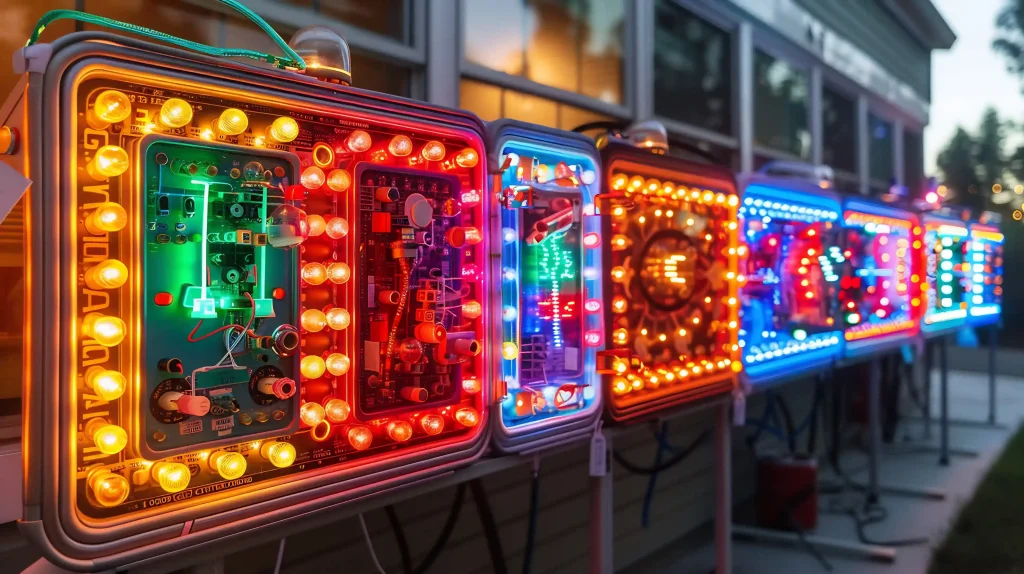
The Main Concept of Pachinko
Pachinko is played on a tall vertical machine where tiny metal balls move downward through a tight network of carefully arranged pins. The aim is to guide these balls into special areas that unlock extra balls or open the door to prize rewards.
What sets pachinko apart from standard arcade games is the way it mixes physical mechanics with chance. Players stay involved through hands-on control, yet the final result always carries an element of surprise. This combination creates an experience that feels richer than quick, casual play.
How Pachinko Is Played
The game starts when players launch steel balls onto a vertical board filled with many small pins. As the balls fall, they bounce in unpredictable directions, forming a smooth and almost calming flow. A winning moment happens when balls drop into certain zones that activate rewards like bonus balls or prize points.
Strategy and Player Influence
While chance is a big part of pachinko, experienced players often find ways to slightly improve their results. By fine-tuning the timing and force of each launch, players can gently affect how the balls travel. The launcher and pin layout allow for limited but noticeable control over repeated rounds.

Rewards and Prize Systems
Successful play leads to collecting extra balls or special reward items that can be stored over time. These collected rewards can later be exchanged for various prizes. This system adds depth to the experience and turns pachinko into more than simple entertainment by creating a clear sense of progress.
The Evolution of Pachinko
Pachinko first appeared in the early years of the last century, growing from simple pin-style games inspired by overseas arcade concepts and later adapted to suit local preferences. Early machines were mainly aimed at younger players and focused on light, straightforward fun.
Over time, the game began to transform. Machines became more complex, pin arrangements more detailed, and new mechanical and electronic elements were introduced. What once was a basic pastime slowly developed into a more engaging and polished form of entertainment.
Following a period of strong economic growth after major world events, pachinko secured its place as a popular leisure activity. Advancing technology continued to shape the machines, while gaming halls expanded and became visually striking. These changes helped pachinko evolve into the refined experience that is widely known today.
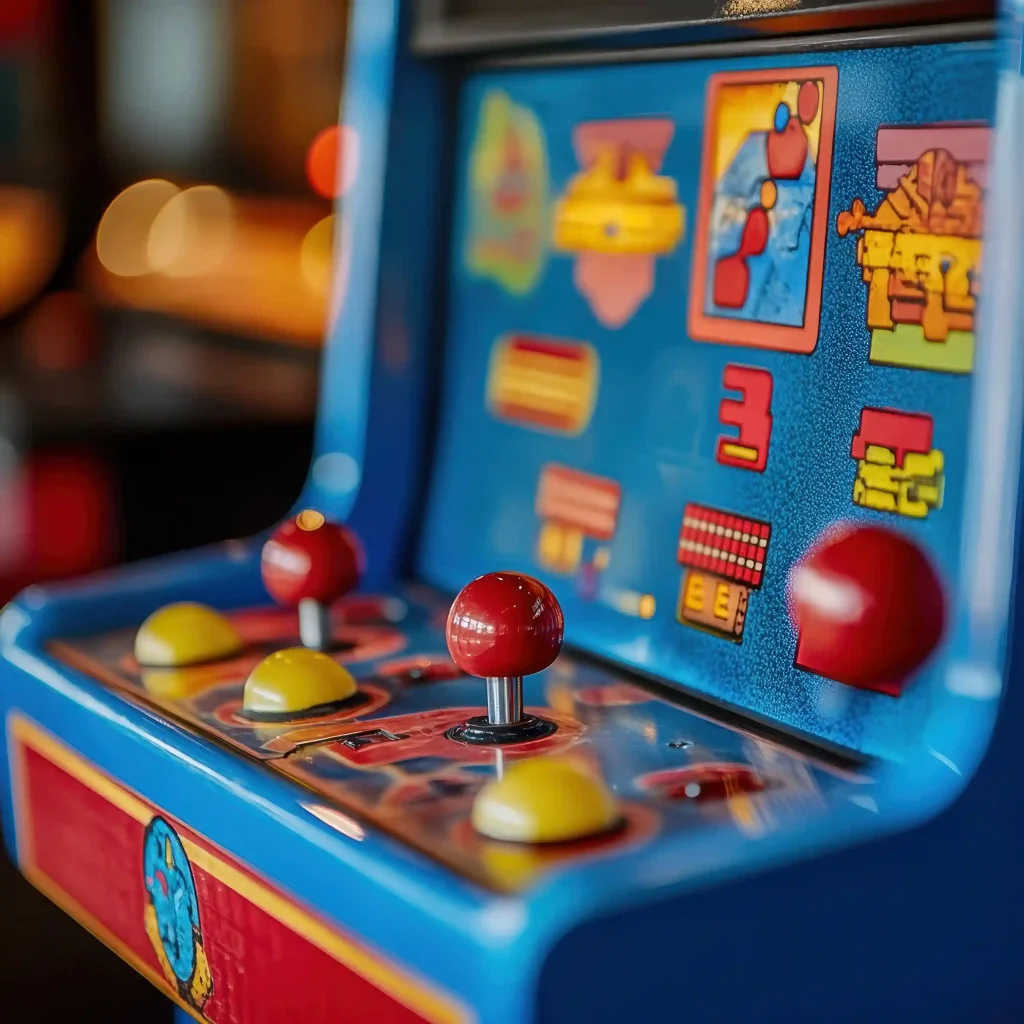
Why Pachinko Feels Different
Careful Design Inside Every Machine
Each pachinko machine is filled with a huge number of precisely positioned pins. These pins shape the movement of the steel balls in unexpected ways, combining simple physical motion with natural randomness. Because of this, no result can be fully predicted, and every round feels new and interesting.
A Place for Shared Experience
Pachinko halls are not just about playing alone. They often become social spaces where players watch others play, share small tips, and enjoy the surrounding energy together. This shared setting turns personal gameplay into a collective experience that feels more lively and connected.
Progress Through Rewards
The prize system adds an extra layer of meaning to the game. When play goes well, players receive items or tokens that can be exchanged later. This clear connection between effort and reward keeps interest high and supports the overall flow of the game environment.
Growing Into a Unique Style
Pachinko may have started from outside influences, but over time it developed its own identity. It adjusted to familiar habits and preferences, focusing more on calm competition and relaxed group enjoyment instead of direct head-to-head play.
How Modern Pachinko Looks Today
Current pachinko machines are much more advanced than the early models. They now feature updated electronic systems, vivid displays, and improved reward mechanics that make each session more lively and interactive.
Even with these upgrades, the traditional ball-and-pin core remains unchanged. New visual themes, animated moments, and expanded prize options are layered onto the classic setup. This allows pachinko to move forward with technology while still keeping its original character.
Cultural Perspectives
★★★★★
“Pachinko blends smart mechanical structure with enjoyable play, creating an experience that feels thoughtfully built and never outdated.”
Game Mechanics Consultant
★★★★★
“The calm flow of the machines and the shared space make pachinko feel much more social than a typical arcade activity.”
Entertainment Experience Reviewer
★★★★★
“Exploring how pachinko works helps explain why people are drawn to chance, rhythm, and easygoing competition.”
Play Behavior Analyst
Pachinko in Everyday Life and Business
Pachinko operates within a layered system where gameplay results link directly to broader commercial activity. Balls earned during play are converted into special tokens at designated counters, which can then be used to continue playing or exchanged for goods. This step-by-step reward flow adds structure and keeps the system active on multiple levels.
This model supports many related industries and provides work across different areas, from machine design to venue management. Every part of the setup is built to keep both players and service operators involved over long periods.
On a social level, pachinko halls serve as shared environments where people with different daily routines naturally gather. These spaces encourage light interaction, regular visits, and a sense of familiarity that goes beyond the games themselves. Over time, this leads to informal communities formed through shared habits and repeated experiences.
The impact of pachinko extends well beyond entertainment. It supports production, retail, and service roles while helping maintain steady economic activity. Today, pachinko represents a carefully balanced system that blends engaging play with structured business practices, allowing it to remain stable and relevant over time.